Digital Newsletter
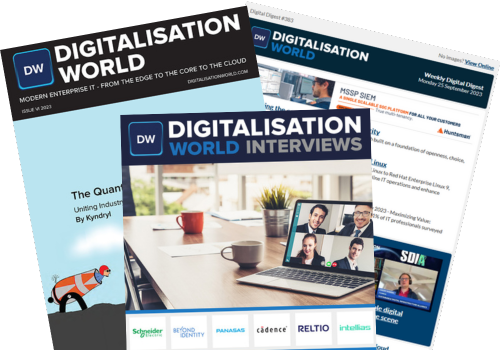
Each week our editor Phil Alsop rounds up the most popular articles, videos and expert opinions. We compile this into a Digital Newsletter and send it straight to your inbox every week.
Digital Magazines
We'll let you know each time a new edition of Digitalisation World is released so that you're always kept up-to-date with the latest and greatest news and press releases.
Video Magazines
The Digitalisation World Video magazine contains the latest Zoom interviews with experts in the industry.
Twilio’s fifth annual State of Customer Engagement Report has revealed the growing importance of brands disclosing how they use customer data to deliver AI-powered experiences, as well as a disconnect between brands and their customers on this transparency. While 93% of UK brands say they’re transparent with customers about how AI uses their data, only 40% of customers agree.
The report, based on a global survey across 18 countries of more than 4,750 B2C executives and 6,300 consumers, explores how brands are implementing AI to build better relationships with their customers, where AI is yielding the most return on investment for brands, and what engagement trends are most important to consumers. Additional UK consumer insights include:
• Trust is most effectively maintained by balancing security and customer experience. This year’s report has found 64% of UK consumers think protecting their data is the top way for brands to earn their trust. Almost half (49%) of consumers globally say they would trust a brand more if it disclosed how customer data is used in AI-powered interactions. 40% of businesses, meanwhile, think finding this balance between security and customer experience is one of their most pressing challenges this year.
• AI is helping close the customer experience gap, but businesses are still struggling with having the right data in place. 27% of UK businesses say they provide ‘good’ or ‘excellent’ customer engagement, yet only 9% of UK consumers agree. AI is helping, with almost seven in 10 UK companies already using it to personalise customer experiences - but 69% of UK brands say inaccurate data or a lack of first-party data are major challenges to their ability to understand their customers. Just 19% of businesses globally strongly agree they have a comprehensive profile of their customers.
• Customers spend more if they have a personalised experience, and are likely to go elsewhere if a brand doesn’t offer it. 47% of UK consumers are likely to spend more money with a brand that is personalising engagement, compared to those who are not. 45% say they’ve made a repeat purchase from a company based on the level of personalisation they’ve received, with 78% giving up on a brand entirely if their experiences aren’t personalised.
“Customers today expect personalized experiences and want to understand how businesses use their data to shape those experiences,” said Kathryn Murphy, SVP Product at Twilio. “It’s imperative for brands to be clear about how they use AI, ensuring that they balance how they deploy it with equally robust measures to protect customer privacy. Transparency is not optional — it's a critical component of building and maintaining customer trust and loyalty.”