As data centres accelerate their transition towards higher efficiency, lower emissions, and greater operational resilience, one often-overlooked factor is emerging as strategically critical: lifecycle refrigerant management. While much of the industry focus has so far been on power usage effectiveness (PUE), renewable energy sourcing, and advanced cooling architectures, refrigerants themselves are now firmly in the spotlight due to the tightening of the EU F-Gas Regulation and increasing supply chain pressures.
We discussed these challenges with Vincent Homrighausen, Managing Director EMEA at A-Gas, a global provider of Lifecycle Refrigerant Management (LRM).
Why are refrigerants so important for data centres?
“Data centres are heavily dependent on cooling systems that use refrigerants, particularly in legacy infrastructure. Many existing facilities still rely on high-GWP refrigerants, which are increasingly subject to phase-down under European regulation. These restrictions could create a supply gap capable of affecting maintenance schedules, system uptime, and long-term asset performance. Faced with a very real risk of disruption caused by product scarcity, A-Gas is positioning itself as a key partner in ensuring both operational continuity and sustainability.”
How can A-Gas support a sector facing increasingly stringent regulatory constraints and growing environmental expectations?
“A-Gas, operating across multiple continents with a presence in 15 countries, is a global provider in the supply and lifecycle management of refrigerants and associated services. Its mission is to protect and enhance the environment through the responsible management of refrigerant gases. To achieve this, the company has spent more than three decades developing a business model centred on recovery, reclamation, and repurposing. Historically active in the HVAC, automotive, and cold chain logistics sectors, A-Gas is now strengthening its presence in the data centre market. In addition to supporting customers, the company also plays an active role in the sector’s technical and regulatory development, collaborating with organisations such as the European Data Centre Association (EUDCA). The company also participates in key industry events such as the recent Data Center Nation in Milan on May 27. A-Gas will delivered a presentation entitled ‘Cooling in Transition: HFCs, Low-GWP Refrigerants and the Data Centre Challenge’, demonstrating how it can actively support operators across this market segment.”
How is Lifecycle Refrigerant Management structured?
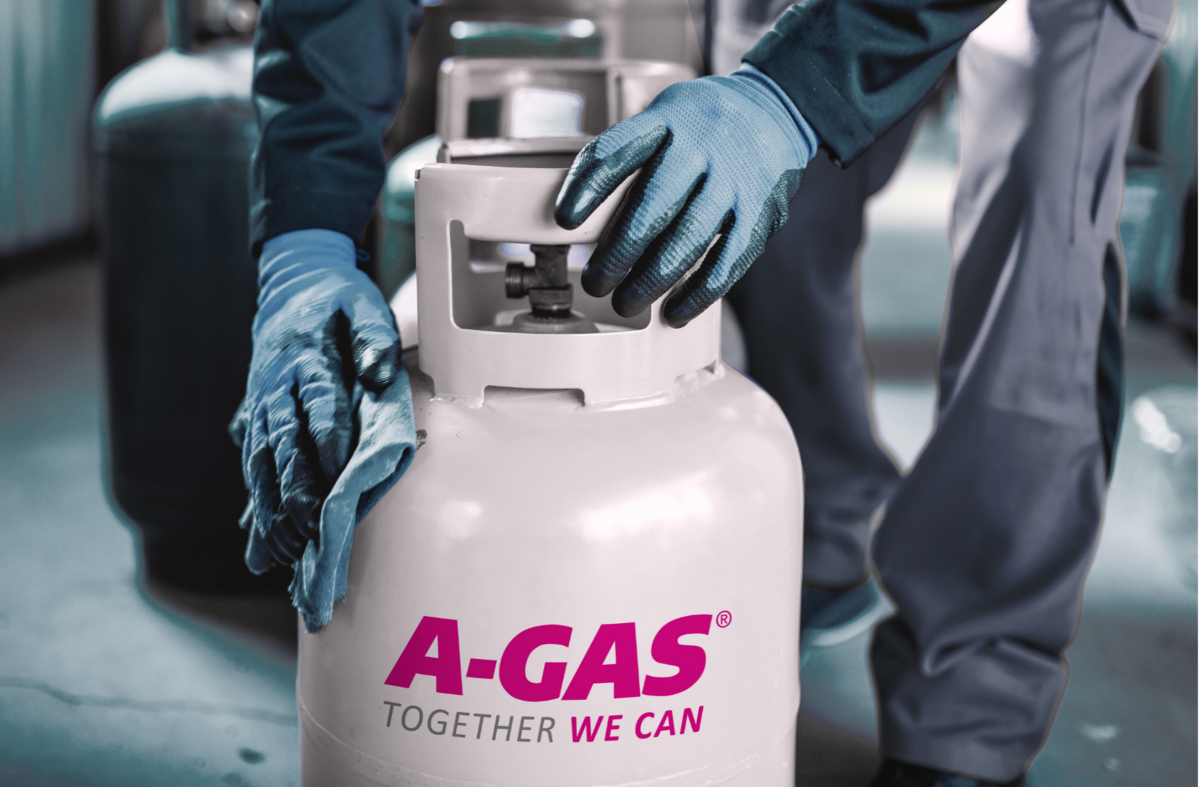
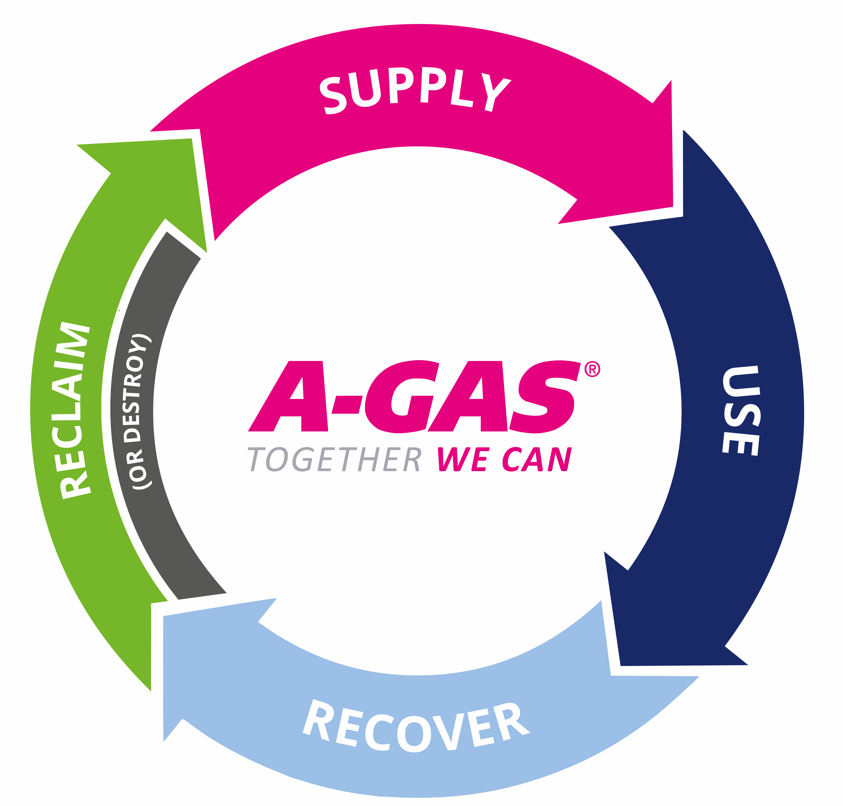
“Lifecycle Refrigerant Management is a structured framework designed to minimise environmental impact while maximising refrigerant value throughout its lifecycle. It is based on three core principles: reducing leaks and emissions; increasing recovery and reclamation rates; and reducing reliance on virgin refrigerant production. In practice, this means capturing refrigerants at end of life, cleaning and restoring them to original (virgin) standards, and reintroducing them into the supply chain. Where reuse is not possible, gases are safely destroyed using controlled processes. Destruction is always considered the last resort. The priority is circularity: keeping refrigerants in use for as long as possible in order to reduce both environmental impact and supply pressure.
A key part of A-Gas’s value proposition is its ability to bridge the emerging supply gap. How?
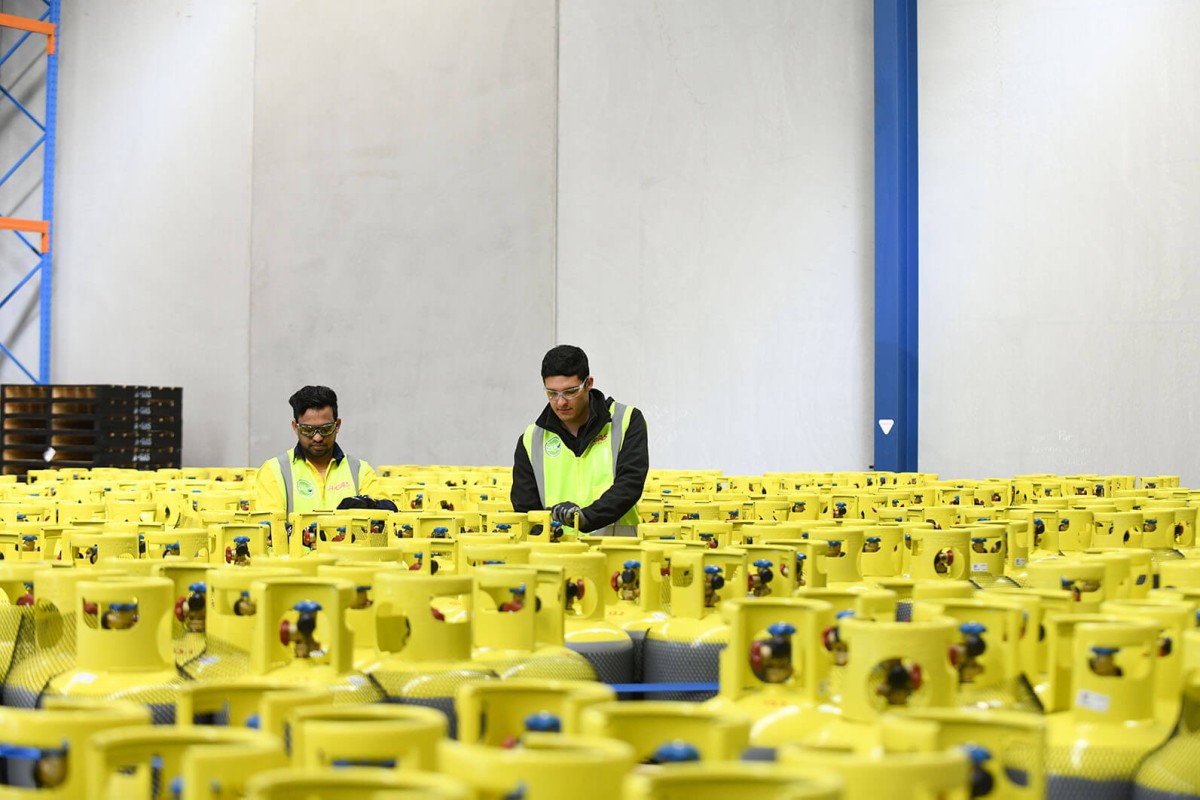
“Through its global recovery infrastructure, the company captures used refrigerants directly from operational sites, processes them to remove contaminants such as moisture, oil, and air, and restores them to industry standards, including AHRI 700 certification requirements. This ensures reclaimed refrigerants meet the same quality benchmarks as newly manufactured products. Once processed, these gases can be reintroduced into the market — often outside regulatory quota systems — helping to maintain supply continuity during periods of constrained availability. This capability is particularly important for data centres, where even short-term cooling interruptions can have significant operational and financial consequences.”
What are the sustainability benefits of reclaimed refrigerants?
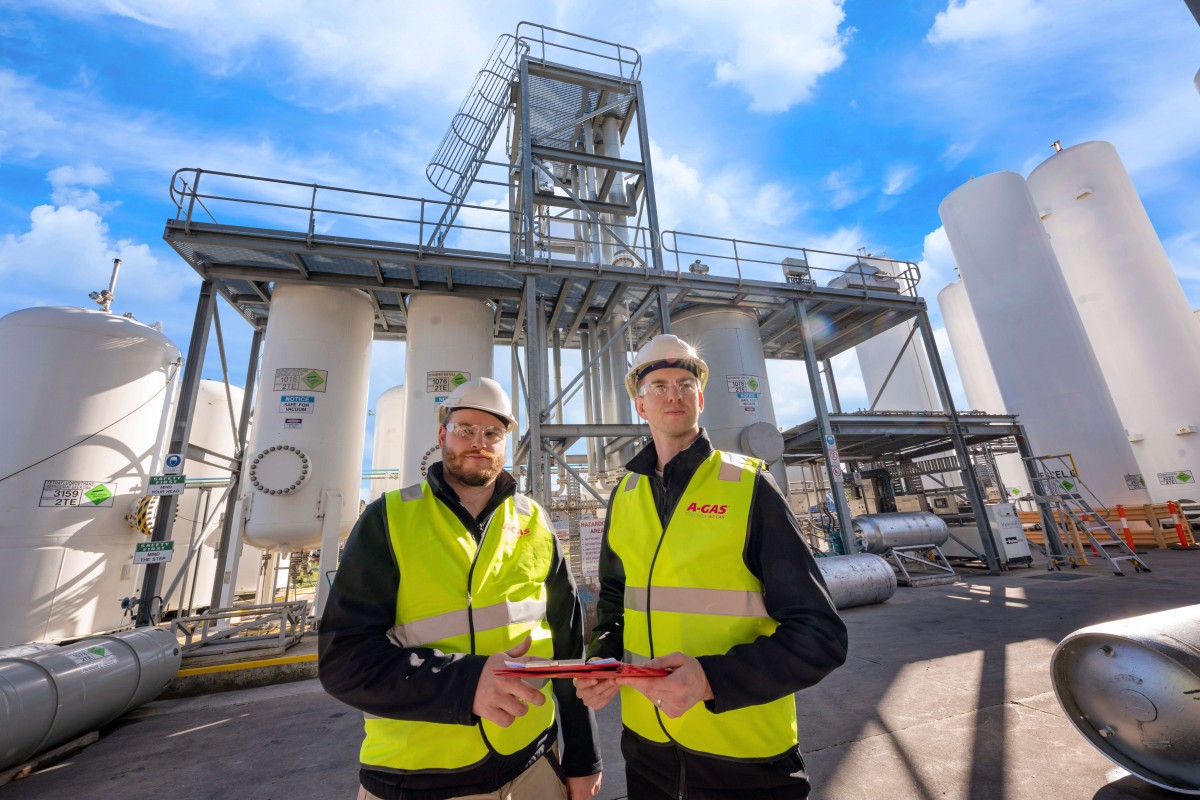
“In addition to improving supply security, reclaimed refrigerants deliver significant environmental benefits because they have a substantially lower carbon footprint than virgin products, as demonstrated by lifecycle assessments. This is primarily because recovery and reclamation require far less energy than manufacturing new refrigerants from raw materials. Furthermore, recovery and reclamation prevent the release of high-GWP gases into the atmosphere, directly reducing greenhouse gas emissions.
A-Gas offers a specialised service called Rapid Recovery, designed to remove refrigerants quickly and safely from operational systems. How does it work?
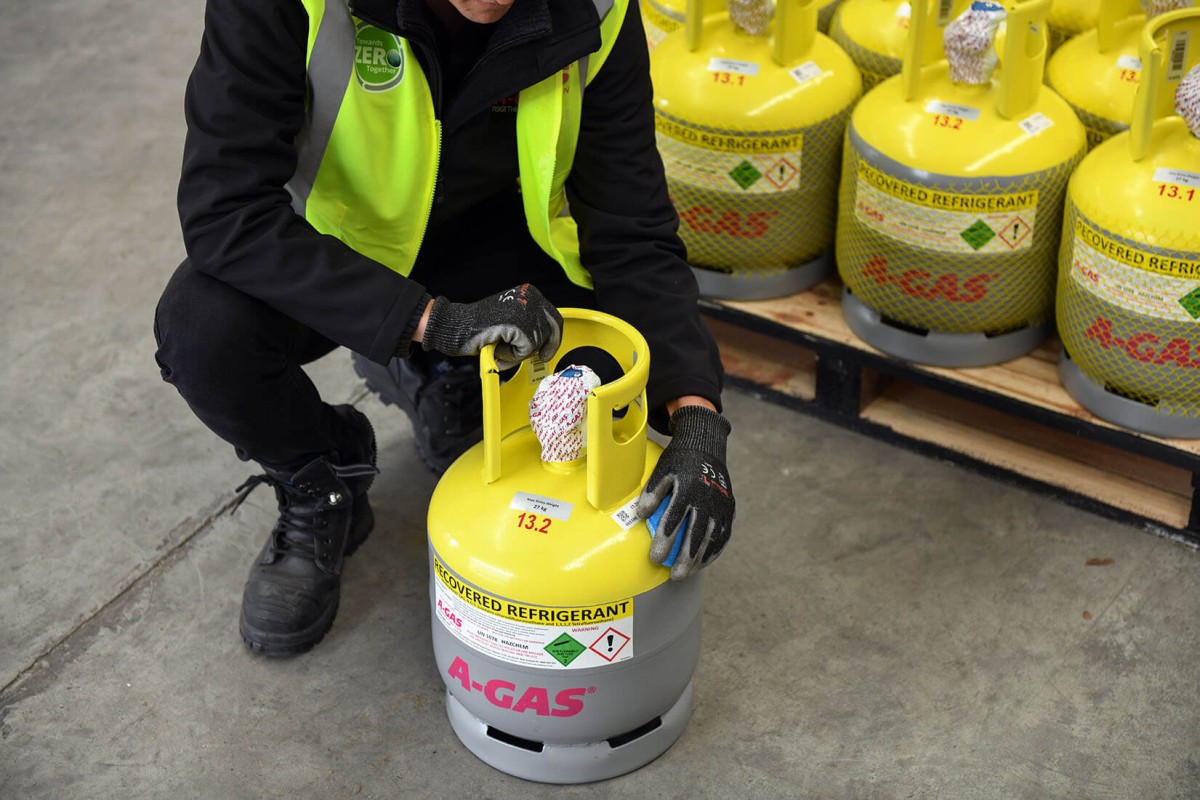
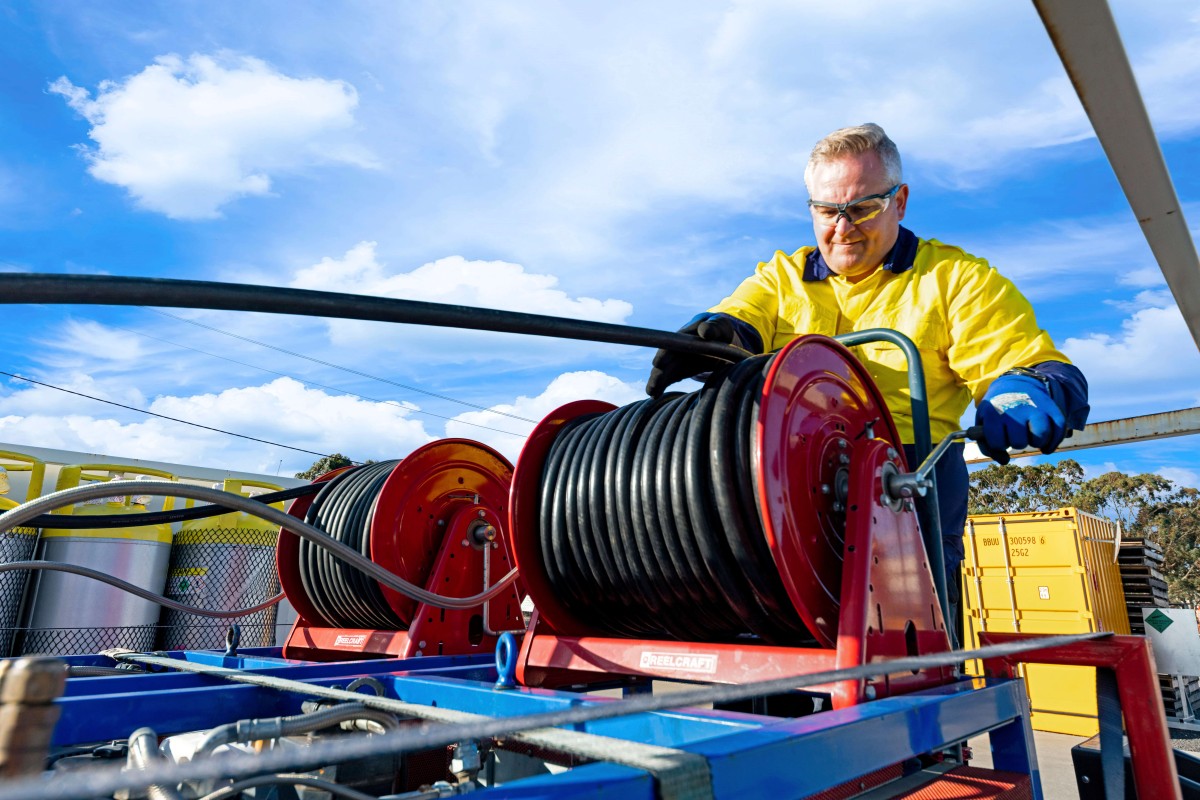
“Using advanced mobile recovery equipment operated by trained technicians, the service enables high-speed extraction of refrigerants directly on-site. This solution is particularly valuable during maintenance, decommissioning, or system upgrades, where minimising downtime is essential. Once recovered, refrigerants enter A-Gas’s global processing network, where they are either reclaimed for reuse or destroyed in compliance with environmental regulations. This end-to-end capability allows A-Gas to support the full lifecycle of refrigerants, from recovery through to reuse or destruction.”
Another important pathway is the transition towards low-GWP alternatives.
“As regulatory pressure increases, data centre operators are progressively adopting low-GWP refrigerants in new cooling systems. However, legacy infrastructure cannot be replaced overnight. A-Gas therefore plays a dual role in this transition: on one hand, supplying reclaimed legacy refrigerants to maintain existing systems; on the other, supporting the adoption of lower-GWP alternatives in new installations. This transitional support is essential to ensuring operational continuity while the industry evolves towards more sustainable cooling technologies.”
Is it possible to generate carbon offset credits through certified refrigerant recovery and destruction activities?
“By preventing emissions and reducing reliance on virgin production, A-Gas’s activities can generate both compliance and voluntary carbon credits. These mechanisms provide economic and environmental value to customers while reinforcing broader decarbonisation goals. For data centre operators, who are increasingly required to monitor and reduce emissions, this represents an additional tool for demonstrating progress towards sustainability targets.”
Ultimately, why are refrigerants a strategic asset?
“For many years, refrigerants were treated as simple maintenance consumables within data centre operations. Today, that perspective is changing rapidly. Regulatory pressure, supply constraints, and sustainability targets are transforming refrigerants into a strategic operational asset capable of directly influencing uptime, regulatory compliance, and environmental performance. Companies like A-Gas are helping to reshape this landscape by promoting a circular refrigerant economy.
For data centre operators, the message is clear: refrigerant strategy can no longer be considered an afterthought. It is becoming one of the core pillars of operational resilience in the low-carbon digital infrastructure of the future.”